Building Resilience
The Power of Community
Written by Acacia Soares - Content Writer at Strength to Strength Mental & Physical Healthcare
For people looking to build resilience and connect with others, the free 12-week Run 4 Resilience program is back for its fourth year. Co-founded by Elise Falloon and Michael Chapman, it combines guided runs with community support to boost wellbeing and foster lasting connections.
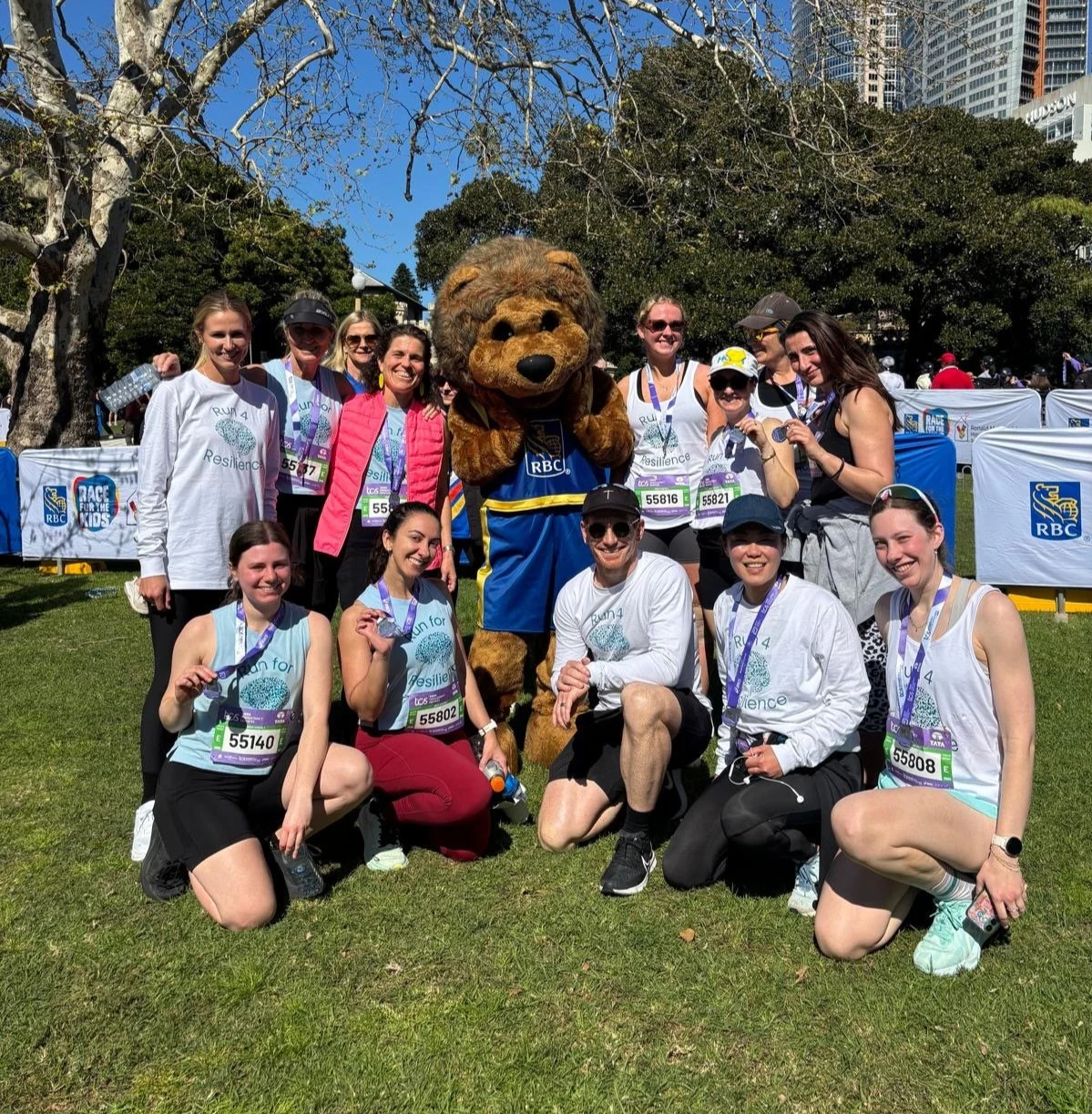
Starting her PhD as a remote student in 2023, Sarah Benna-Doyle found that the first Run 4 Resilience group offered her more than exercise, but a lifeline of connection and support.
“I remember at one point, it was dark, and you're showing up in the morning, you're going for a run, and you just kind of take off,” Benna-Doyle said.
“I just happened to be next to Elise, and she asked me how I was, and she just asked me how I was in a way that was genuine and earnest, she was invested and actually wanted to know.
“And I kind of just got really emotional, and I remember tearing up, and that really stood out for me, that kind of connection and support that you can get from this community to help you through really challenging times, and I think that is probably when the resilience piece really landed for me.
“I felt really seen, but it also really made me feel like this is a safe space here, and you can kind of let your walls down, and if you need to crumble a little bit and talk it through, that's part of this, and that's part of that mental health aspect too, because everybody’s got something going on.”
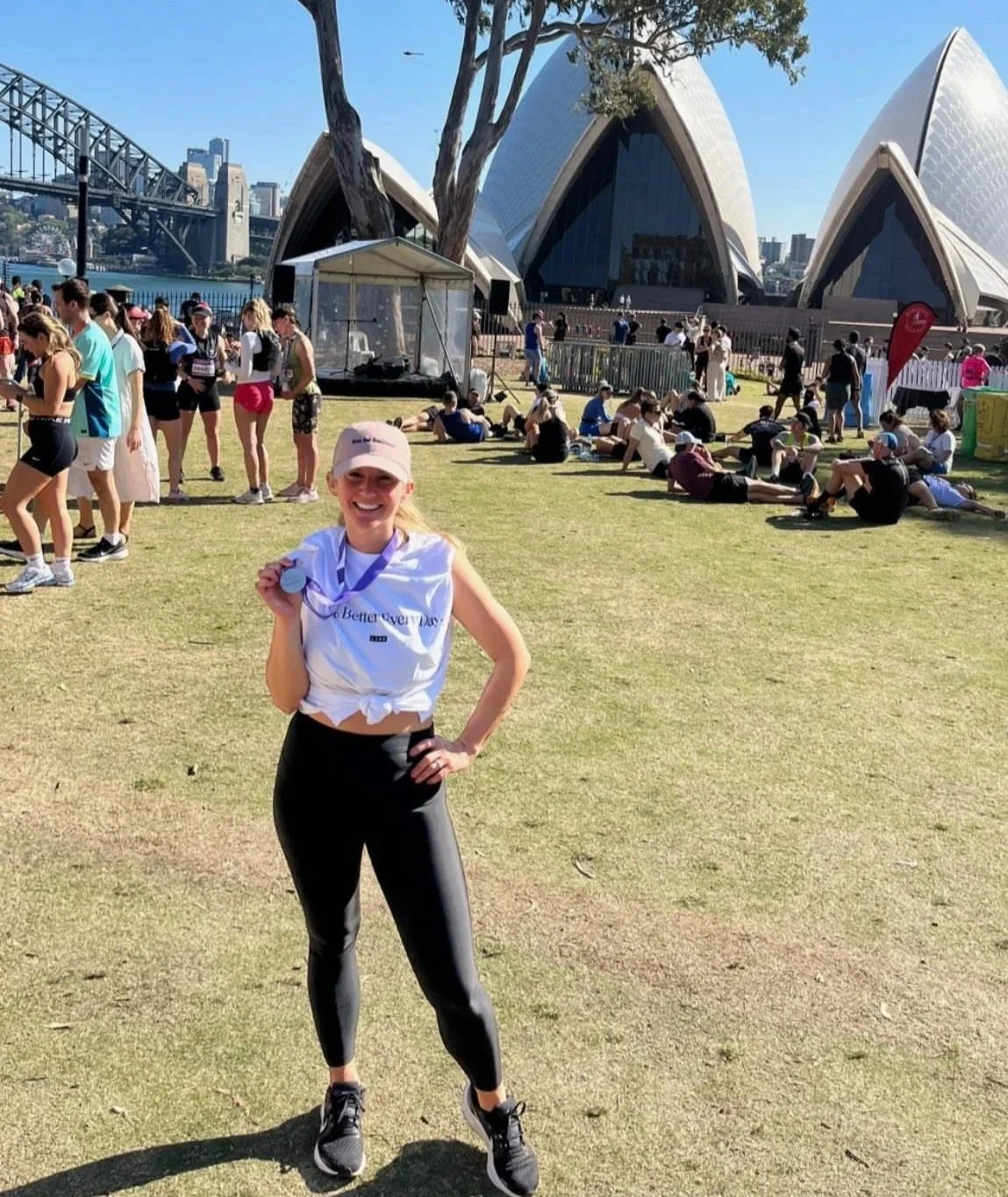
Zuzana Droppa, who took part in the 2024 and 2025 Run 4 Resilience groups, said that joining the program and building connections within the community was a lifesaver.
“The support and connections you are building with the other participants, and the leaders of the program just make it a place where you want to return because you feel understood, supported and held,” Droppa said.
“You're not going there only to train, but also to be part of the community.
“When I joined the first time, I was just at the back of a burnout, it was really a lifesaver to get into this program and it helped me to improve my habits and dramatically increase my wellbeing.
“To enter this community and just being held by Mick and Elise, they manage the group so well, and just belonging somewhere outside of the workforce.
“Me joining the second year just speaks to how highly the first one impacted my life.”
The documentary, ‘Run 4 Resilience - The power of movement’, premiered in May last year and is now streaming on YouTube.
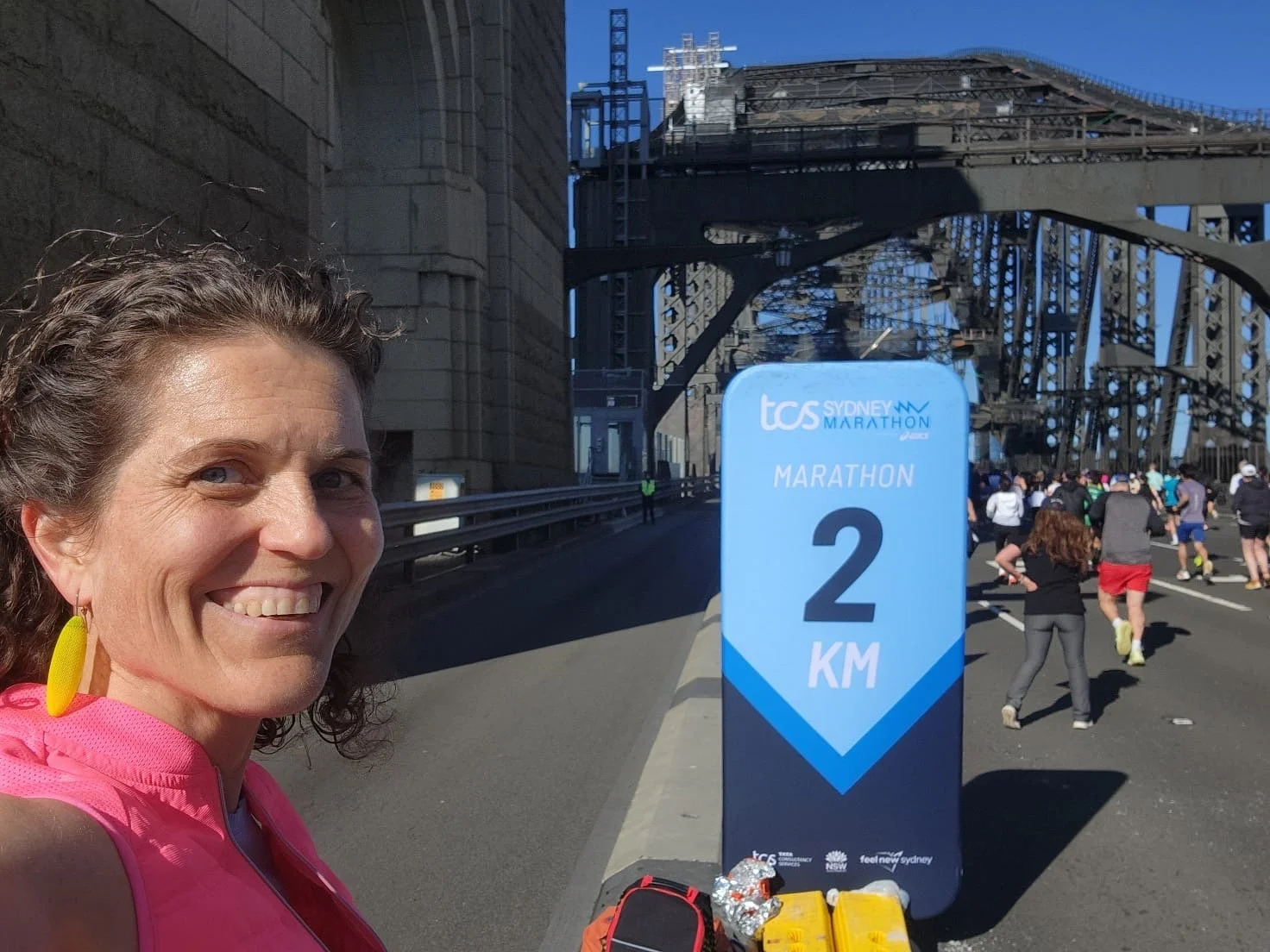
Droppa said rising loneliness in today’s society makes it increasingly important for people to connect with their local communities.
“I would think that the takeaway from the documentary would be that human beings come in all different shapes and sizes and have different abilities and background stories, but that all doesn't matter if we meet in a like-minded group of people who are willing to be on the journey alongside you, like we did with the Run 4 Resilience,” she said.
“We have all grown so much together in the running and also personal space, and I hope that it would motivate people who recognise the true power of community.
“Maybe look out for programs, not even in the running space, but any space out there, because I believe that in today's society, we are getting lonelier.
“And I think it's really great that through programs like Run 4 Resilience, you're coming together with people, doing some activity that is beneficial for your wellbeing, and gaining the benefit of connecting with others and being part of something bigger together.”
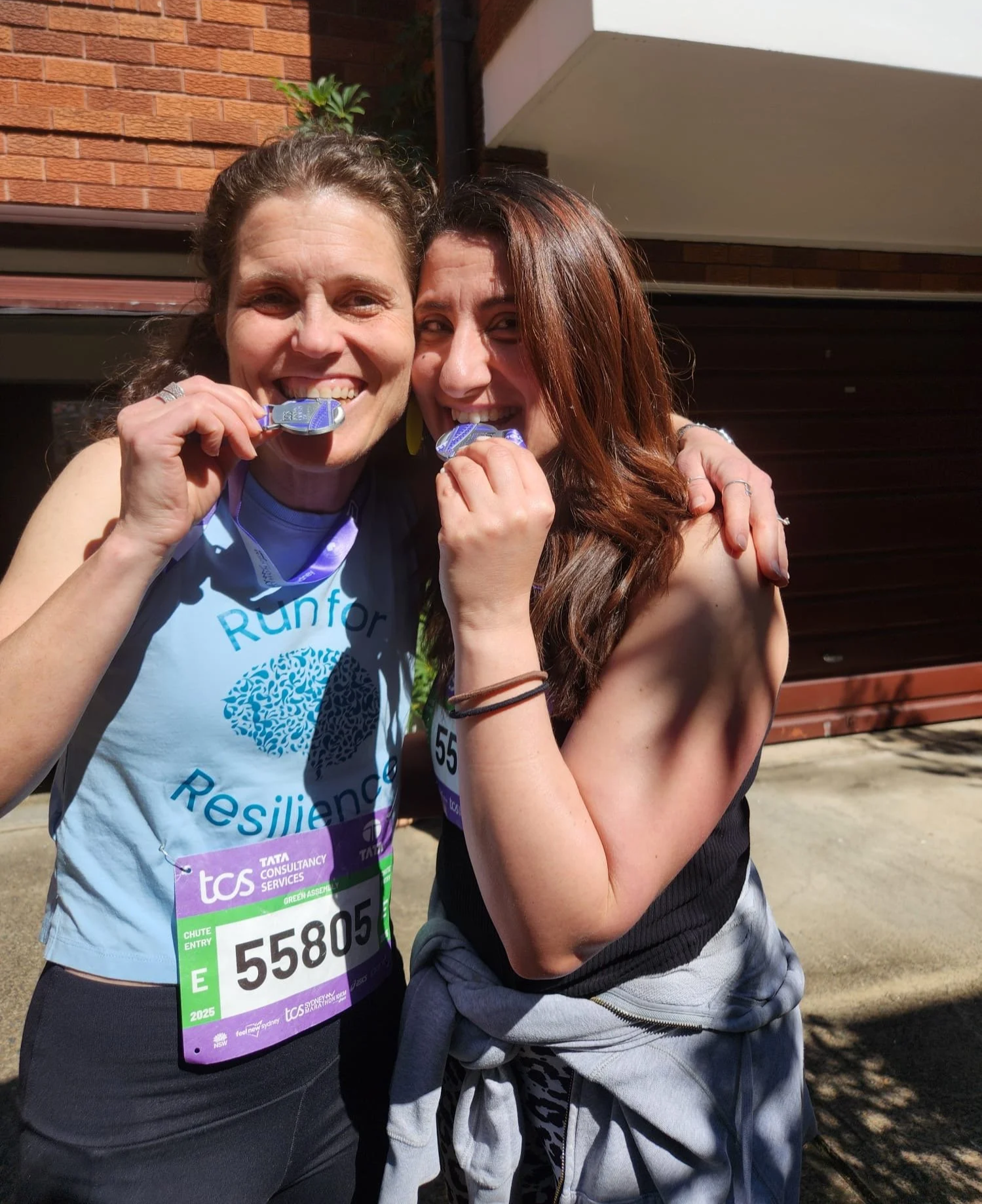
The ASICS State of Mind Study, the largest global study on the gender exercise gap, found that women face significant barriers to exercise, including lack of time, other commitments and the cost of trainers.
Benna-Doyle said the free 12-week running program leaves you with a really powerful mental health tool to help manage your life and mood.
“I think the heart of this program is really that equity and accessibility,” she said.
“What I really hope people take away from the Run 4 Resilience documentary is that it's not about what it looks like, it's about how it feels.
“I mean, it's called Run 4 Resilience, so it's not ‘Run to lose five kilos’, it's not ‘Run so you look younger and hotter’, and I think so much exercise is positioned that way, as an aesthetic thing, like we do this because of societal expectations.
“So this program was really taking running as a tool that really is accessible and teaches you how to use it to build resilience in your life.”
67 per cent of women said they experienced higher stress levels without regular exercise.
More than 80 per cent of women in the ASICS State of Mind Study said the reasons they exercise are for physical health, self-care, mental wellbeing, stress management, staying in shape, enjoyment, and to boost their mood.
Women also reported feeling 67 per cent more stressed and 80 per cent more frustrated when not exercising regularly.
The first Run 4 Resilience cohort was predominantly women, with the program transitioning to entirely female participation over the following two years.
“I know the program was not targeted at women, and it just so happened that there were a lot of women interested in that program,” Benna-Doyle said.
“I think a lot of times, and speaking as a female, that historically, I think sometimes women have been done a disservice in the way that running and exercise are sometimes positioned like it's kind of synonymous with sport.
“So if you're not sporty, or you don't align yourself with being a sporty person, you think ‘Well that's not for me’, or that space is really intimidating.
“And so I think the Run 4 Resilience, the way that it was a Ground Zero program, and you don't need any experience, that was really important to me.”
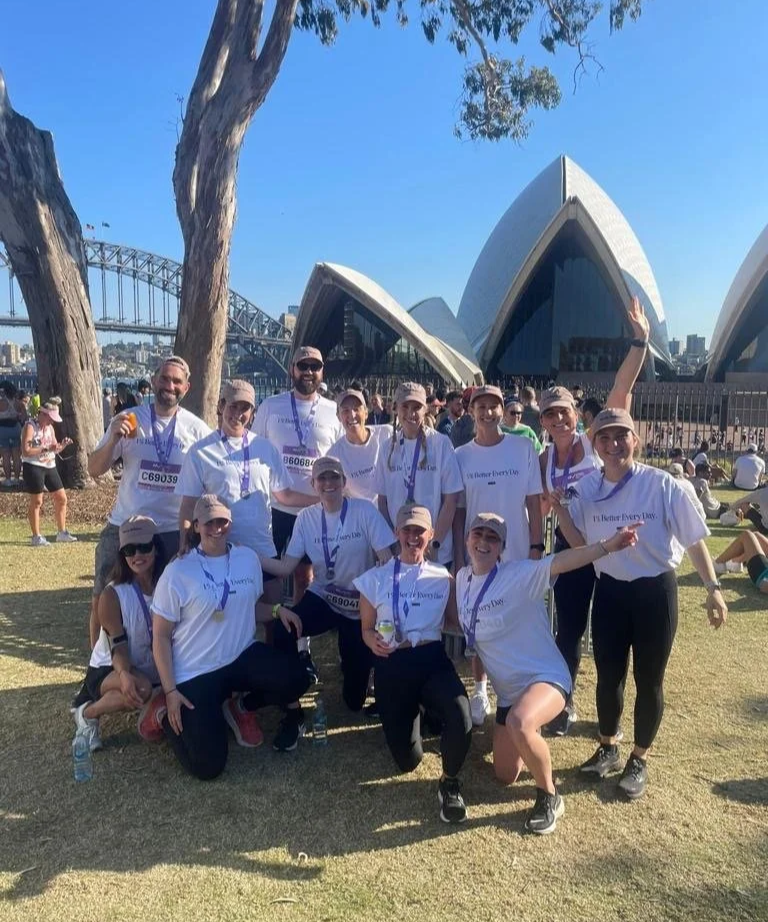
Strava’s 2024 Year in Sport: Trend Report revealed that exercising in groups of more than 10 increased their average distances for running, hiking, or cycling by 40 per cent, and 58 per cent of respondents said fitness groups helped them make new friends.
Droppa said the consistent training sessions provided participants with different information and support to increase their physical and mental wellbeing during the program.
“Mick and Elise were really approachable in terms of our questions and we had other practitioners coming as well, so that all helped the process of feeling confident in what we were doing and what we were learning,” she said.
“Each of our bodies are different. I struggled with my breathing and had neck pains so one of the physios suggested, ‘Why don't you try breathing in this certain way?’ and it was a complete game changer for me.
“So I really love that it was not saying, ‘You all do this and you all do it this way’, but it was tailored to everyone's needs.”
Benna-Doyle said the physical benefits of the program were just a bonus and her primary outcomes were investing in mental health, building resilience and community connections.
“Moving my body, going for a quick run feels the same for me as getting my coffee, processing things in your head and stressors,” she said.
“I learned that every day your 100 per cent changes.
“So, you know, sometimes I get up and I don't have a lot of time, or I'm really tired, so I might just go and do a very short run that only takes 10 to 15 minutes and is very slow, and that's fine.
“I come back, and I'm fresher, and I'm energised, and I've worked through whatever might be going on for me, whether it's work or psychosocial things.
“So it has really, really impacted my everyday life.”